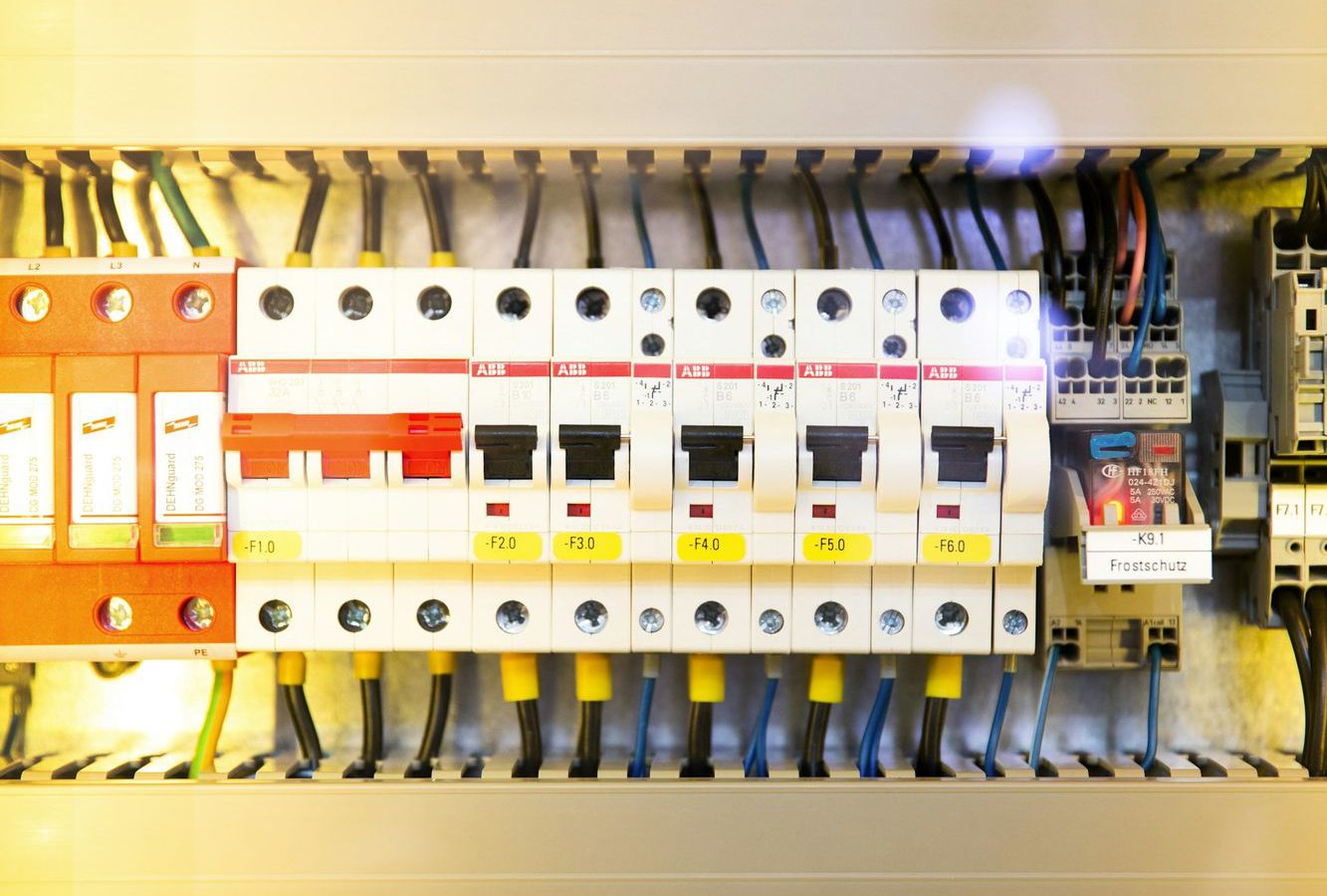
Your electrical panel distributes power to every circuit in the house, and it is the single most important safety device you own. When it is outdated or overloaded, everything downstream — outlets, appliances, and wiring — is affected. Here is how to tell whether yours needs attention.
Warning signs to watch for
- The panel is a fuse box. Fuses are obsolete. Modern breakers protect against overload, short circuit, and ground fault in ways fuses cannot.
- The panel is hot or warm. A panel should be cool. Warmth means resistance, and resistance means heat — a fire risk.
- Rust, scorch marks, or a burning smell. Any of these means stop using the panel and call an electrician immediately.
- Breakers that trip repeatedly. Frequent tripping usually means the panel is overloaded or a breaker is failing.
- Flickering or dimming lights. Especially when a large appliance starts, this points to an overloaded service or a loose connection.
- You rely on extension cords and power strips. If you have run out of outlets, the real problem is likely capacity, not outlet count.
- Aluminum branch wiring. Common in homes built in the late 1960s and 1970s, aluminum wiring needs special attention for safety.
- Buzzing or crackling sounds. Never ignore noise from a panel — it usually indicates arcing.
100 amps is often not enough anymore
Many older homes in the Katy area were built with 100-amp service. That was fine for a household with a few appliances. Today the same home may run central air conditioning, an electric range, a dryer, a hot tub, a workshop, and — increasingly — an EV charger. A 200-amp panel is the modern standard for most single-family homes, and it leaves room to grow.
What triggers an upgrade in practice
- Adding an EV charger or a large shop tool.
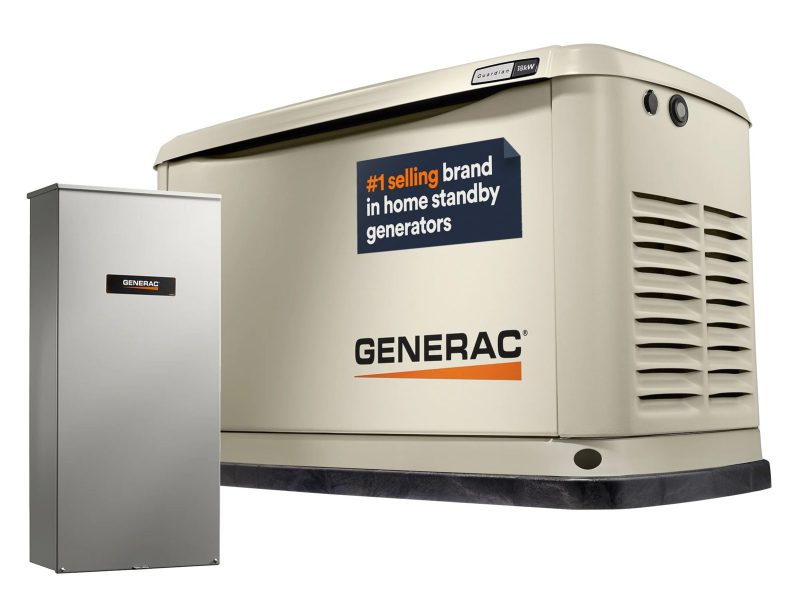
- Installing a whole-home standby generator, which needs capacity for a generator circuit.
- Finishing a garage, addition, or detached shop.
- Replacing a recalled or obsolete panel brand.
- Converting from fuses to breakers.
What an upgrade involves
A panel upgrade is more than swapping a box. It means coordinating with your utility to disconnect and reconnect service, installing the new panel and breakers to code, upgrading grounding and bonding, labeling every circuit, pulling the permit, and passing inspection. Done well, it is a tidy, one-to-two-day job that leaves your home safer and ready for whatever you add next.
If any of the warning signs above sound familiar, do not wait. Call or text (713) 900-9140 and we will inspect your panel, explain your options in plain language, and quote the work before we start.
Need a licensed electrician in Katy?
Free quotes, honest pricing, and a local team that answers the phone. Call, text, or send the form and we will reply fast.