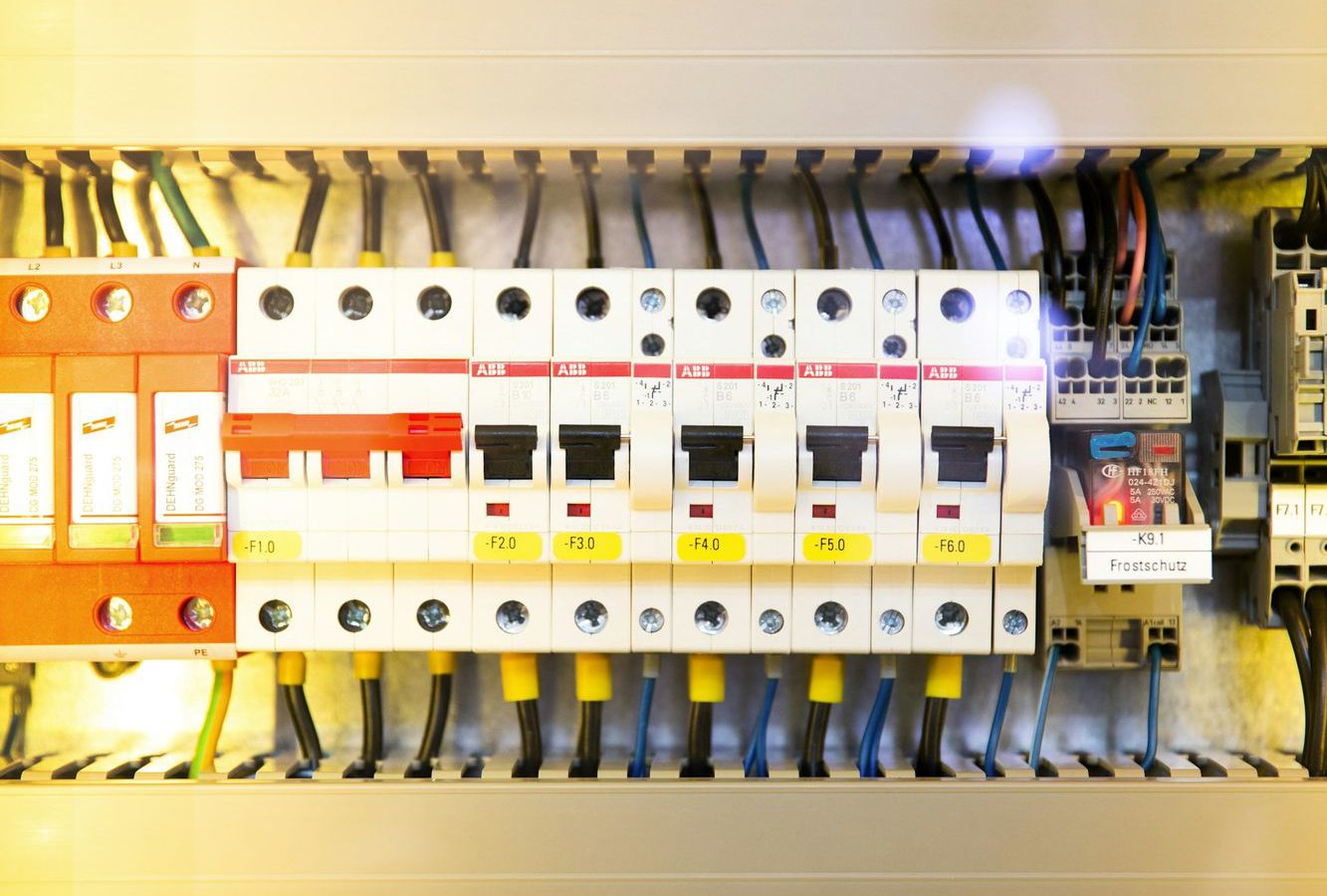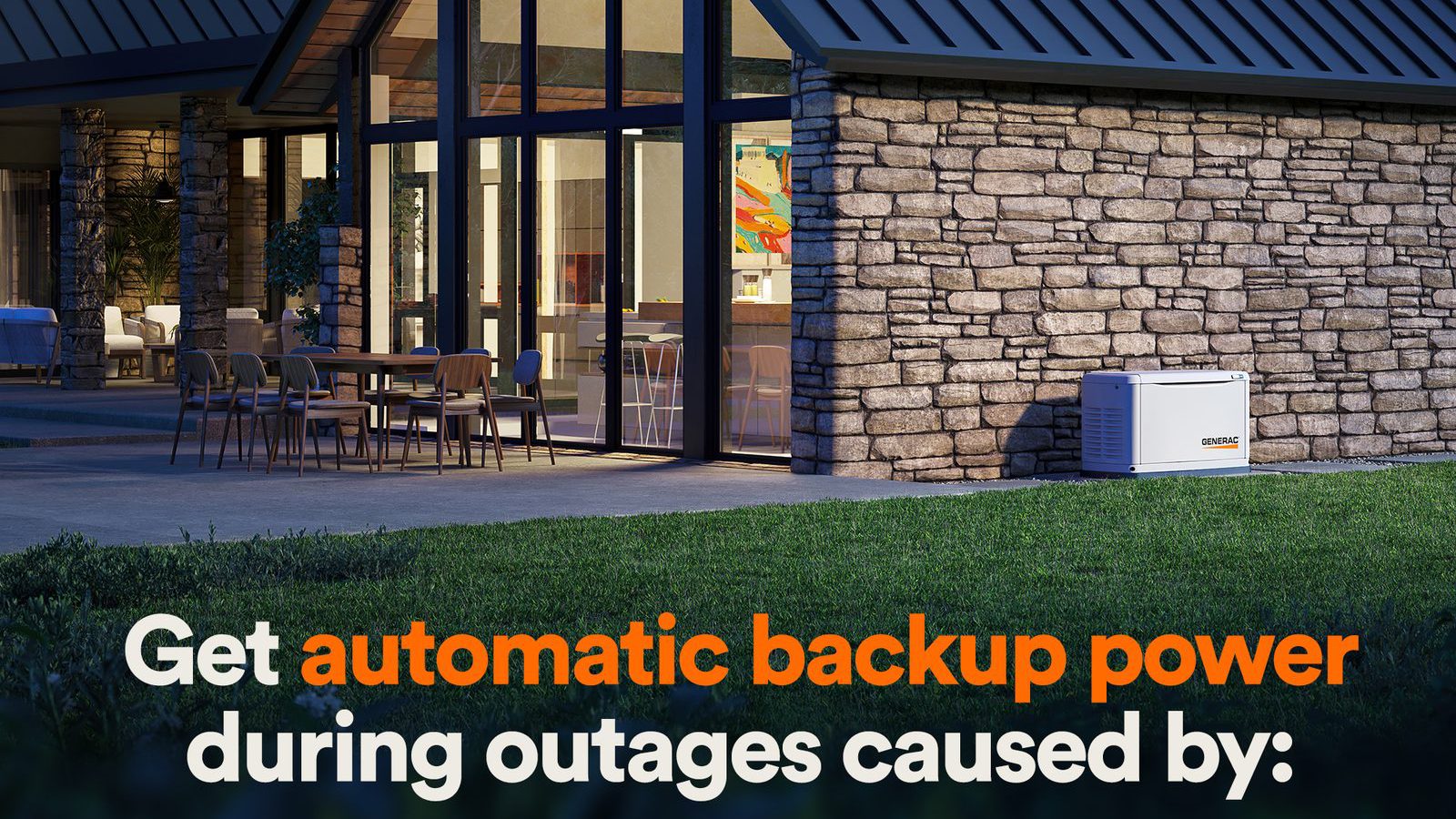
Backup power is a system, not just a box in the yard. The generator is one part; the automatic transfer switch, the load calculation, and the wiring between them are what decide whether your home rides through an outage smoothly or trips breakers the moment the air conditioning starts.
The pieces of a reliable system
Every standby installation we build has four working parts: the generator itself, an automatic transfer switch (ATS) that isolates your home from the utility and connects the generator, a load-management strategy so large appliances start in sequence instead of all at once, and a maintenance plan so the unit is ready when it is actually needed.
Whole-home vs. essential-circuits backup
Not every home needs — or benefits from — powering everything. A whole-home system sized to carry your full service load is the most seamless option. An essential-circuits system backed by a smaller generator keeps the fridge, lights, internet, and a few key outlets running for a fraction of the cost. We walk you through both with real numbers before you commit.
Transfer switches and load management
The transfer switch is where most cheap installs cut corners. We install service-rated and non-service-rated switches matched to your panel and utility requirements, and add load-management devices (like Generac’s DPM modules) where they let a smaller generator safely carry a larger load. That is how a well-designed 22kW system can outperform a poorly planned 26kW one.
Warning signs to watch for
- Portable generators back-fed through a dryer outlet (a serious hazard)
- Extension cords running through doorways during storms
- A generator that has never been serviced since installation
- No transfer switch, or a manual switch you have to operate yourself
- Tripped main breakers whenever the generator starts
What's included
- Load calculation and system design
- Generac or Kohler generator matched to your load
- Service-rated or non-service-rated automatic transfer switch
- Load-management devices where beneficial
- Permit and inspection coordination
- Startup testing under real load
- Owner orientation and maintenance schedule
Our process
-
Free Assessment
Call or send the form — we assess your needs and give you a clear quote.
-
Scheduling & Permit
We schedule the work and pull the permit required by your city or county.
-
Professional Install
Licensed electricians complete the job to code — neat, tested, documented.
-
Inspection & Handover
We meet the inspector, walk you through the system, and stand behind the work.